Bring your question.
See it more clearly.
You don’t need to know the terminology. Tell Wenbu Agent what’s on your mind, and it can help frame your question, use a tool and look up references. Or explore the four free tools yourself.
Start with one situation you can describe.
WENBU · A DAILY PRACTICEChoose a way to begin.
BaZi and Zi Wei use your birth details. I Ching and tarot start with a question about your current situation.
BaZi chart
Use your birth details to explore the Four Pillars, Day Master and five elements.
I Ching
Cast a hexagram for a question, then explore its changing lines and resulting hexagram.
Tarot reading
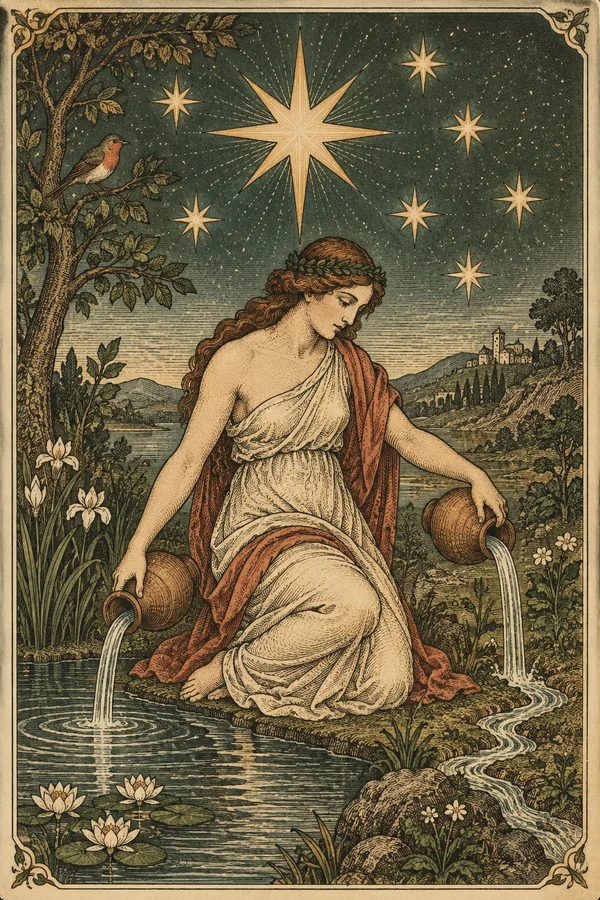
Draw one or three cards and use their images and keywords to think through a situation.
Zi Wei chart
Enter your birth date and time to explore the stars and traditional themes of twelve palaces.
Take a closer look at the cards.
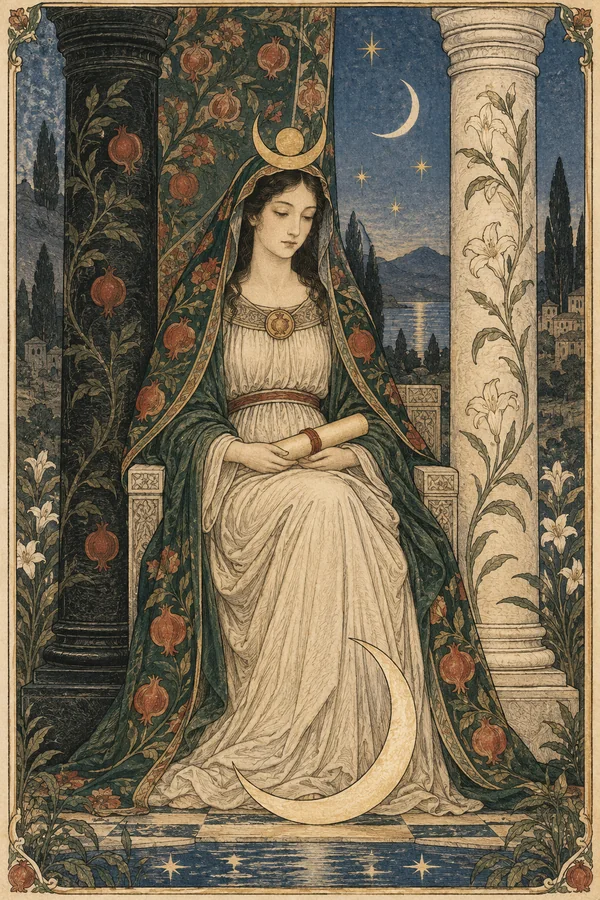
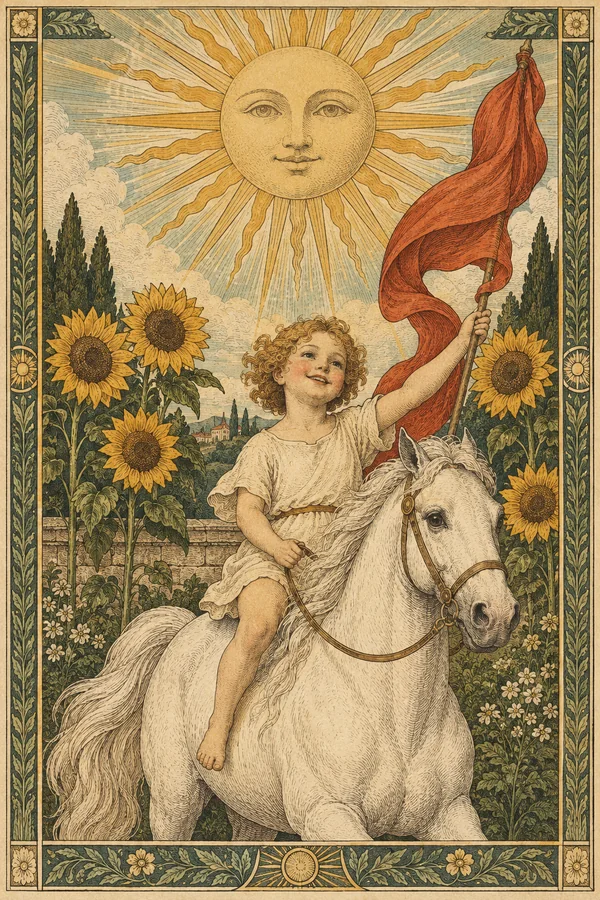
Browse 78 original AI illustrations with upright and reversed keywords. Draw one card, or use three to consider your situation, the tension within it and a possible next step. Open any card to see the details.
Explore all 78 cards →Understand the reading.
Choose your next step.
Check the method
Time zones, day boundaries and draw methods matter. Check the settings before comparing results from different tools.
Keep a useful record
Save the result with your question and notes. Return later to see what held up and what didn’t. Export your journal to keep a backup.
Test an idea in daily life
Turn an insight into a conversation or a small change you can try. Make decisions with evidence from your actual situation.
A little guidance for your first reading.
Your first visit: start with one small question
You do not need specialist vocabulary or birth details. Use a few choices to find a focus, then leave with something you can act on.
Read the guide ↗BaZi, I Ching, tarot or Zi Wei: where should you begin?
Choose a tool by the question you have, the information you want to share and the symbolic system you want to learn.
Read the guide ↗
Your first tarot reading starts with a better question
Learn the 78-card structure, reversals and a simple three-card spread, then turn a reading into a useful reflection practice.
Read the guide ↗